

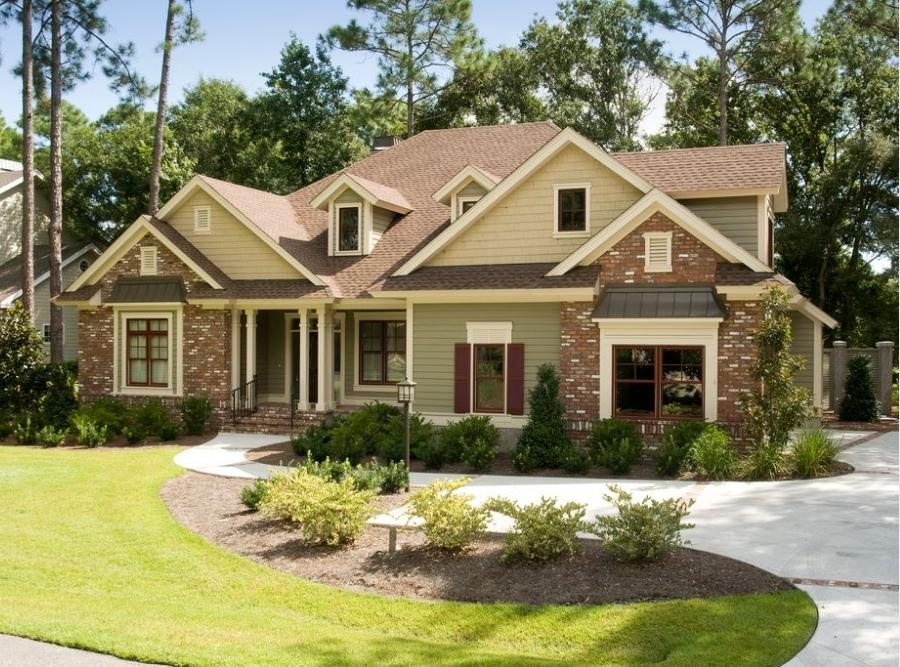
Designing for Coastal Climate: Protecting Your Hilton Head or Bluffton Home from Humidity and Salt Air
Owning a home on or near the coast of Hilton Head Island or Bluffton opens up a world of relaxed elegance, marsh views, sea breezes and indoor-outdoor living. But along with that charm comes real design and construction challenges. Salt-laden air, high humidity and storms impose wear that a standard inland home seldom endures.
At Group 3 Designs, we treat these conditions as design priorities, not afterthoughts so that your home remains beautiful and resilient year after year.
Architectural Features That Withstand the Elements
When you’re designing a coastal home, the architecture needs to incorporate protective strategies from the outset. One key feature is elevated construction (on pilings or raised foundations) that limits flooding and moisture intrusion. Also, extended roof overhangs and covered porches protect walls and windows from direct exposure to wind-driven rain and salt spray. Using rainscreen cladding or ventilated siding assemblies allows moisture to drain and air to circulate, preventing trapped dampness.
In addition, choosing impact-rated windows and doors with proper sealing, and durable exterior finishes, helps your home resist the corrosive effects of the coastal environment. Design decisions that integrate form and durability such as corrosion-resistant metal flashing, marine-grade fasteners and sealed outdoor mechanical enclosures, make a significant difference long-term.
Materials & Finishes Built for the Salt Air
For both interiors and exteriors, material choice is critical in a high-humidity, salt-air environment. Fiber-cement siding, stainless steel or powder-coated aluminum hardware, and high-quality marine-grade stainless (#316) fixings are recommended because salt accelerates corrosion and material failure.
Inside the home, non-porous surfaces and finishes that resist moisture and mildew work best. For example, lightweight concrete or treated masonry, epoxy-based or sealed wood flooring, and glass or ceramic tile in wet zones all help avoid damage from high relative humidity. In furnishings and interior surfaces, consider low-VOC finishes that resist mold, and upstream design decisions such as floor-to-ceiling moisture barriers make a difference.
Preventing Moisture Damage and Mold
Humidity is one of the most persistent threats. When moist outdoor air enters and cools indoors, condensation can form behind walls or under floors, leading to mold, rot and structural damage. Effective moisture control starts in the architecture: properly detailed flashing, waterproof membranes and ventilation strategies prevent trapped moisture.
Internally, mechanical systems that manage humidity actively reduce risk. Whole-home dehumidifiers, proper insulation, good airflow and keeping interior finishes from trapping water are all parts of the strategy. As one source notes, salt and moisture accelerate corrosion in HVAC units so designing for the humidity means protecting every system in the home.
HVAC Systems Tailored for Coastal Conditions
Typical HVAC systems often struggle in coastal climates because of salt-laden air, constant humidity and increased demands on equipment. Opt for units engineered for corrosion resistance: look for protective coatings, sealed electrical components, stainless or aluminum parts and improved drainage systems.
Additionally, because humid air makes your system work harder (and costlier), the right unit will also be energy-efficient, have variable speed blower motors, and be properly sized for dehumidification and air exchange, not just cooling. Routine maintenance—in particular rinsing outdoor coils and inspecting for salt buildup is part of the long-term protection plan.
Fabrics, Furniture and Window Treatments for Coastal Living
Interior materials must not only look good, but also perform under repeated exposure to salt air, moisture, sun and breezes. Choose upholstery fabrics that are fade-resistant, mildew-resistant and easy to clean. Woven synthetics, solution-dyed acrylics, and marine-grade outdoor fabrics bring both durability and style. Surfaces like teak or ipe, when treated correctly, function beautifully in humid environments.
Window treatments face special demands: sliding doors and large window walls are common in the Lowcountry, but exposed hardware, tracks and fabrics can degrade quickly under salt and humidity. Choose corrosion-resistant hardware, fabrics that dry quickly and tracks with sealed drainage for water intrusion. For blinds or shutters, materials such as PVC-coated aluminum or marine-grade composites hold up better than untreated wood.
Maintaining Wood Finishes and Interior Surfaces
Even the best wood finishes require maintenance in a coastal climate. High humidity, salt deposition, UV exposure and temperature swings all contribute to finish breakdown, warping or discoloration. Use high-quality polyurethane or marine varnish systems for exposed wood, and re-apply protective coatings regularly (as part of your seasonal maintenance).
Inside, avoid full-gloss finishes on wood floors or furniture surfaces where condensation may form. Opt for satin or matte finishes with stain-resistance and ensure proper ventilation to allow surfaces to “breathe.” Consider engineered wood products over solid wood in high-moisture zones, and integrate ventilation or small gaps behind built-ins to prevent mold growth.
Bringing It All Together for Your Lowcountry Home
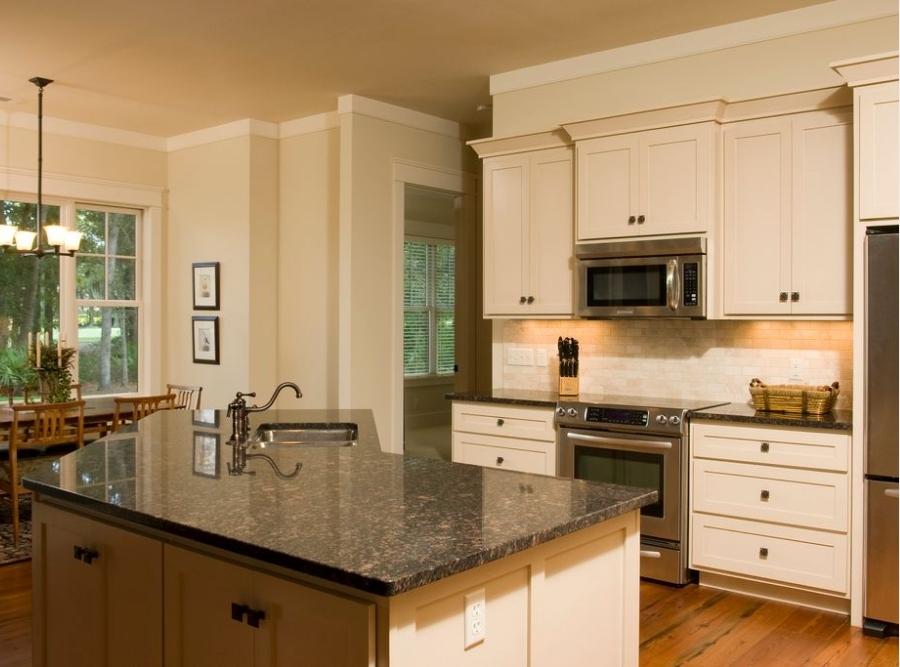
When you build or remodel with the awareness that “coastal lifestyle” and “coastal environment” bring dual considerations, you arrive at a home that not only looks beautiful but stands built for place. At Group 3 Designs, our goal is to integrate architectural strategy, interior design selections and long-term durability into one cohesive plan for your Hilton Head or Bluffton home. With durable materials, designed mechanical systems, thoughtfully selected fabrics and finishes, and a maintenance strategy in place, your home becomes both a retreat and a resilient investment.
Enjoy Coastal Living With Confidence
Coastal homes are among the most rewarding, but without the right planning they can also be among the highest-maintenance. By addressing humidity, salt air and moisture head-on through architecture, materials, systems and interior design choices, your Lowcountry home can deliver ease, beauty and longevity. With Group 3 Designs guiding the process, your home in Hilton Head or Bluffton becomes a sanctuary built for the climate, built for your lifestyle, and built to last.